Furniture Pick-Up in London
Fast, reliable help for homes and businesses across the capital

If you need Furniture Pick-Up in London, you are probably dealing with the same challenge many local customers face: bulky items that are too heavy, too awkward, or simply too much hassle to move on your own. Whether you are clearing a flat in Clapham, replacing office desks in Shoreditch, or getting rid of a sofa from a fifth-floor apartment in Camden, a local furniture collection service can save time, effort, and stress.
London properties come with their own practical difficulties. Narrow staircases, controlled parking zones, lift restrictions, shared entrances, busy high streets, and timed loading bays can all make furniture removal more complicated than it first appears. A professional team understands those realities and can plan the collection around access, building rules, and the pace of the neighbourhood.
For many customers, the appeal is not just convenience. It is also about making a smart decision when old furniture is no longer useful, no longer fits the space, or needs to be removed before a delivery, refurbishment, tenancy change, or office move. A well-organised collection service helps keep everything moving smoothly.
What furniture pick-up can help with

Furniture pick-up covers a wide range of household and commercial items. Some customers only need one item collected, while others need several pieces removed at once. In either case, having a team that knows London well can make a noticeable difference.
Common items collected include sofas, armchairs, wardrobes, beds, mattresses, dining tables, office chairs, desks, filing cabinets, shelving, cabinets, coffee tables, and entertainment units. Many services also handle garden furniture, reception furniture, shop fittings, and breakout-area furnishings.
It is especially useful when an item is too large for a lift, too heavy for one person to carry, or located in a property where access is limited. In older terraced homes, mansion blocks, converted warehouses, and modern apartment developments, furniture often has to be dismantled or carefully manoeuvred through tight spaces. That is where experience matters.
Why London customers choose a local pick-up service

Choosing a local furniture collection team means choosing people who understand the city’s layout, traffic patterns, and building types. London is not a one-size-fits-all place. A collection in Islington may involve permit parking and a busy one-way street, while a job in Wandsworth could mean a basement flat with steps and limited frontage space. The right team plans for all of that before arrival.
Local knowledge is valuable because it reduces delays and helps the collection run more smoothly. Teams familiar with borough restrictions, weekday traffic, and building access can often work more efficiently than a provider unfamiliar with the area. That matters when you are arranging removal around work, school runs, tenancy deadlines, or delivery slots.
There is also a practical benefit for businesses. Offices, retail units, hospitality venues, and managed workspaces often need furniture collected outside busy trading times. A local provider can support these schedules more easily and help minimise disruption to staff, customers, and building users.
Who uses furniture pick-up in London?
Furniture collection is not limited to people moving house. In London, the service is useful for a wide variety of situations and customer types.
Typical customers include:
- Homeowners updating living rooms, bedrooms, and dining areas
- Tenants clearing out a flat at the end of a tenancy
- Landlords needing old furniture removed between occupancies
- Estate agents managing void properties or pre-sale clearances
- Offices replacing worn desks, chairs, and storage units
- Retailers changing fixtures, displays, or stockroom furniture
- Hospitality venues refreshing seating and tables
- Property managers dealing with bulky items left behind
Because London has such a mix of property styles and business districts, the service has to be flexible. A collection from a family home in Ealing can look very different from one in a serviced office in Canary Wharf or a studio apartment in Hackney. A reliable provider can adapt to all of them.
What is usually included in a furniture pick-up service?
A proper furniture pick-up in London should feel organised from start to finish. While the exact service can vary depending on the provider and the items involved, most local customers want a clear and practical process.
Common service features include:
- Arrival at the agreed time window
- Assessment of the items and access route
- Safe lifting and moving by trained staff
- Careful handling of walls, floors, and communal areas
- Loading the furniture for transport
- Removal from the property, office, or outdoor collection point
- Optional dismantling where needed for larger items
Some items may require extra planning if they are upstairs, built-in, or difficult to separate from surrounding furniture. For example, a wardrobe may need to be taken apart before it can be moved through a staircase in a Victorian conversion. A good team will recognise these challenges early and explain the best approach.
How the process usually works

For customers arranging Furniture Pick-Up in London, the process should be straightforward. Most people want clarity, not complication. A typical service follows a simple sequence that helps keep everything efficient and predictable.
Step 1: Enquiry — You explain what needs to be collected, where it is located, and any access issues such as stairs, lift restrictions, or parking limitations. This helps the team understand the scope of the job.
Step 2: Service planning — The team reviews the details and plans the collection around the property type, item size, and location. In London, this stage is important because timing and access can affect the whole visit.
How the process usually works continued
Step 3: Arrival and collection — On the agreed day, the team arrives ready to assess the furniture, move it safely, and load it. If items need to be dismantled first, this is usually done as part of the collection where appropriate.
Step 4: Removal and transport — Once the furniture has been collected, it is taken away from your premises. For many customers, the key benefit is simply getting the items out of the way without having to arrange vans, lifting help, or multiple trips.
Step 5: Final check — A good service leaves the area clear and tidy, with the main furniture items removed as agreed. That can be especially helpful before a move-out inspection, renovation, or office handover.
Why London access can make furniture removal tricky
London is full of property types that require careful planning. A customer in a purpose-built block in Stratford may need to reserve lift time. A resident in a Georgian townhouse in Kensington may have narrow corridors and delicate fixtures. A business in the City might have strict loading arrangements and limited stopping time. These details matter.
Parking can also be a real obstacle. Many boroughs have controlled parking, restricted loading times, or permit-only bays. If a collection team does not understand how that affects the job, delays can build up quickly. A local furniture pick-up service is useful because it is more likely to work around these conditions rather than be slowed down by them.
For customers, that means less stress and fewer surprises. It also means the collection can often be fitted more neatly into your day, which is important when you are coordinating builders, removals, tenants, or deliveries.
Furniture collection for homes
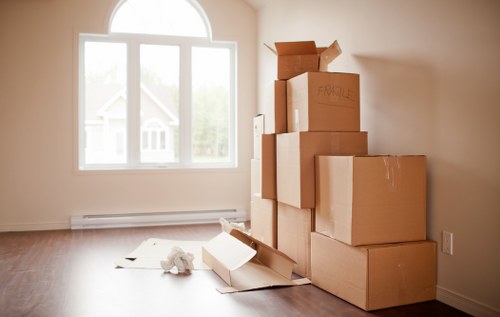
Household furniture pick-up is one of the most common requests across London. People often need help when they are replacing a single item, clearing a room, or making space for redecorating. In compact flats, every piece of furniture can feel harder to move than it would in a larger property.
Home customers often ask for collection of items from living rooms, bedrooms, loft rooms, basements, and shared storage spaces. If you live in a flat in Brixton, a townhouse in Fulham, or a terrace in Tottenham, the main concern is usually access. That might mean carrying items through communal hallways, down stairs, or out to a roadside collection point.
A professional team reduces the physical strain and helps prevent damage to doors, skirting boards, and flooring. That is especially important in rented homes where leaving the property in good condition matters.
Furniture pick-up for offices and commercial premises
Commercial customers often need a different approach from residential clients. Offices, showrooms, shops, and hospitality venues in London usually have time-sensitive schedules and tighter operational needs. Furniture collection may be part of an office refurbishment, a move to a new site, or a general clear-out of outdated items.
For businesses, the service can help remove desks, task chairs, conference tables, storage cabinets, reception furniture, and modular units without disrupting the working day more than necessary. Many companies prefer collections to happen before opening hours, after closing time, or during a quieter period of the week.
Because commercial properties vary so much in layout, from high-rise offices in Canary Wharf to creative studios in Shoreditch and independent shops in Greenwich, flexibility is essential. A local team can often adapt to building rules, lift bookings, loading access, and time restrictions more easily.
Preparation checklist before your furniture pick-up
Preparing properly can make the collection smoother and faster. It does not need to be complicated, but a few simple steps can save time on the day.
Useful preparation tips include:
- Measure hallways, doors, and staircases if the item is large
- Move small personal belongings off or out of the furniture
- Clear nearby walkways where possible
- Check building rules for lift use, loading bays, or access times
- Let the team know about parking issues or permit requirements
- Separate items that must stay from items that are being collected
- Tell the provider in advance if the furniture is damaged, built-in, or unusually heavy
If you are in a property with neighbours close by, shared entrances, or a concierge desk, it can also help to let the building know that a collection is scheduled. That may prevent delays at arrival.
Pricing factors customers should understand
Customers often ask what affects the cost of furniture pick-up in London. While exact prices vary, there are a few common factors that usually influence the quote.
These may include:
- The number of furniture items to be collected
- The size and weight of each piece
- Whether dismantling is required
- The ease of access from the property to the vehicle
- Floor level, lift availability, and staircase use
- Parking distance and loading restrictions
- Whether the job is residential or commercial
- The time needed to complete the collection safely
Being clear about these details when you request a quote helps the provider assess the job accurately. That is particularly useful in London, where two collections of the same furniture type can require very different amounts of labour depending on the building and access conditions.
Why a local company is often the better choice
There is real value in using a local furniture collection company rather than a provider that treats London like any other area. A local team is more likely to understand borough-specific parking rules, busy road patterns, and the quirks of residential and commercial buildings across the city.
This matters for several reasons:
- Better planning around access and time restrictions
- Greater awareness of common building layouts
- More efficient route planning across different parts of London
- Improved ability to handle short-notice changes
- Stronger familiarity with flats, terraces, estates, and office buildings
For customers, the result is usually a smoother experience. If you need furniture removed from a busy area like Westminster, a residential street in Dulwich, or a commercial block near King’s Cross, local knowledge can make the service feel much more manageable.
Areas covered across London
Furniture pick-up services are typically available across a wide range of London neighbourhoods and districts. Because the city is so large and varied, customers often appreciate a provider that covers both inner and outer areas.
Areas commonly served include Central London, North London, East London, South London, and West London, along with many surrounding neighbourhoods and boroughs. That may include places such as Hackney, Islington, Camden, Hammersmith, Fulham, Lewisham, Wandsworth, Richmond, Brent, Ealing, Croydon, Greenwich, Tower Hamlets, Barnet, Southwark, and Westminster, among many others.
Whether your property is in a modern apartment development, a Victorian terrace, a converted warehouse, a council estate, a suburban house, or a shared office building, the service can usually be adapted to fit the location and the access conditions.
What makes furniture pick-up useful before a move, renovation, or tenancy change?
Timing is often the main reason people arrange furniture collection. When a move-out date is close, a refurbishment is about to begin, or new furniture is due to arrive, having old items removed on time is essential. Delays can create clutter, block decorators, and make rooms harder to use.
In rental properties, furniture pick-up can help prepare for inventory checks and handovers. In owner-occupied homes, it can open up space before decorating, flooring work, or a full room redesign. In offices, it can keep the project moving when new fit-outs are planned and old desks or storage pieces have to go first.
Many London customers also use the service simply because they want a cleaner, more usable space without spending their own time carrying heavy items downstairs or arranging vehicle hire.
Questions customers often ask
Can you collect a single item?
Yes, many furniture pick-up requests involve just one large item such as a sofa, bed frame, wardrobe, or desk. Single-item collections are common across London, especially where space is tight.
Do I need to move the furniture outside first?
Not necessarily. In most cases, the team can collect items from inside the property if access allows. If you live in a building with strict rules, it is worth checking what is permitted before the visit.
What if my furniture is in a flat with no lift?
That is a common situation in London. As long as the access details are provided in advance, the collection can often be planned around stairs and tighter routes.
More common questions
Can office furniture be picked up outside working hours?
Often, yes. Commercial collections are frequently arranged to reduce disruption, subject to the provider’s availability and building access.
What if the furniture needs dismantling?
Some larger items can be dismantled during collection if needed, especially wardrobes, bed frames, or modular office furniture. It is best to mention this when requesting a quote.
How do I know if the item will fit through the door?
If you are unsure, measure the item and the access route where possible. Even approximate dimensions can help the team plan whether dismantling or a different route is needed.
How to get the most from your furniture pick-up
Customers often get the best experience when they provide clear information from the start. That does not mean every detail has to be perfect, but the more the team knows, the easier it is to plan effectively.
To make the process easier, be ready to explain:
- What items need collecting
- Which floor they are on
- Whether there is a lift
- Any parking or loading restrictions
- Whether the property has narrow stairs or hallways
- If the furniture is assembled, damaged, or built-in
- Whether the job is for a home, office, shop, or managed property
Clear details lead to a smoother collection, and that is especially true in London, where access issues can vary from one street to the next.
When same-day or short-notice collection is helpful
Sometimes furniture has to go quickly. A landlord may need a flat cleared before new tenants arrive. A business may need to remove old seating before a refit starts. A household may have a last-minute change in moving plans. In those situations, same-day or short-notice furniture pick-up can be especially useful if available.
Even when immediate collection is not possible, local teams often have the flexibility to fit in urgent requests sooner than a non-local provider. That can make a major difference when your schedule is tight and the property cannot wait.
If you need urgent help, it is worth contacting a provider as early as possible and explaining the situation clearly. Book your service now if timing is important and you want to secure the earliest suitable slot.
Furniture pick-up for landlords, agents, and property managers
Landlords and property professionals across London often need reliable help when items are left behind or when furniture no longer suits the next tenancy. A collection service can help restore the property to a clean, usable state faster.
This is especially useful after move-outs where sofas, wardrobes, beds, or broken chairs have been abandoned. It is also common during property refreshes, before marketing photos, or when preparing a furnished rental for new occupants. In a city with a fast-moving rental market, speed and dependability are important.
For agents and managers handling multiple properties, a local furniture pick-up team can become a practical part of the regular workflow, helping keep turnover efficient and reducing avoidable delays.
Furniture pick-up for retail, hospitality, and shared workspaces
Commercial settings need collections that are careful, discreet, and well timed. A restaurant replacing seating, a café redesigning its layout, or a shared office clearing old desks all need an organised approach. Furniture often has to be removed with minimal disruption to customers, staff, and neighbours.
In hospitality and retail, appearance matters too. Customers do not want corridors or entrances blocked with old furniture longer than necessary. That is why coordinated collection is so useful. In shared workspaces, it helps keep communal areas tidy and professional while updates are taking place.
When a local team understands the pressures of London commercial property, the collection can be fitted more naturally around trading hours and access rules.
Choosing the right service for your situation
Not every furniture removal need is the same, so it helps to think about the type of service that suits your property. If you only have a few bulky items, a simple pick-up may be all you need. If the furniture is difficult to access or needs dismantling, you may want a provider that can handle more complex collections.
Look for a service that is clear about what it can collect, how the job is planned, and what information it needs from you. That transparency helps avoid confusion and makes it easier to decide whether the collection is suitable for your home, office, or managed property.
Request a free quote when you are ready, and share the details of your items, location, and access conditions so the service can be arranged correctly.
Final thoughts for London customers
Furniture collection should take pressure off your day, not add to it. When the job is handled by a local team that understands London’s streets, buildings, and access challenges, the experience tends to be much easier to manage. That is true whether you are clearing one old armchair or arranging the removal of several bulky office pieces.
The best services are the ones that feel practical, respectful of your property, and prepared for the realities of city living. If you need furniture removed from a flat, house, office, shop, or managed building, a London-based pick-up can help you move forward quickly and with less hassle.
Contact us today to discuss your furniture collection needs, check availability, and arrange a service that fits your schedule and location.
Frequently requested item types
These are the kinds of items customers in London often ask to have collected:
- Three-seater and two-seater sofas
- Corner sofas and sofa beds
- Beds, bed frames, and mattresses
- Wardrobes and chest of drawers
- Dining sets and kitchen tables
- Office chairs and desks
- Bookcases and shelving units
- Cabinets, sideboards, and storage units
Whether you are based in a compact flat near a busy Tube station or in a larger suburban house with driveway access, the service can usually be adapted to the space and the items involved.
FAQ: Furniture pick-up in London
Is furniture pick-up suitable for awkward or heavy items?
Yes. Many collections involve large or difficult items. The key is to describe them accurately so the team can plan the right approach.
What if my building has strict access rules?
That is common in London. Let the provider know about concierge procedures, lift booking requirements, loading restrictions, or timed access windows before the visit.
Can I book furniture collection for a business premises?
Yes. Offices, shops, hospitality venues, and other commercial premises are all common collection locations across the city.
Do I need to be present during the collection?
That depends on the arrangements and property access. Some customers prefer to be present, while others arrange access in advance. Discuss this when booking.
What should I do if the furniture is in a basement or top-floor flat?
Provide that information early. Basement access, top-floor walk-ups, and shared stairwells are important details in London and can affect planning.
Can more than one item be collected at once?
Yes, multiple items are often collected together, which can be more efficient if you are clearing a room or preparing for new furniture.